
Schengen Guide · 2026
Germany Visa Requirements 2026
Schengen Visa, ETIAS & Complete Travel Guide
Visiting Germany in 2026? Start with Germany visa requirements 2026 visa free for 90 days (US, UK, Canada) or Schengen visa
Top Germany Destinations

Berlin
Berlin is Germany’s capital, known for landmarks like the Brandenburg Gate, a symbol of unity and history

Heidelberg
Heidelberg is known for its castle, the Old Bridge, and scenic views over the Neckar River and old town.
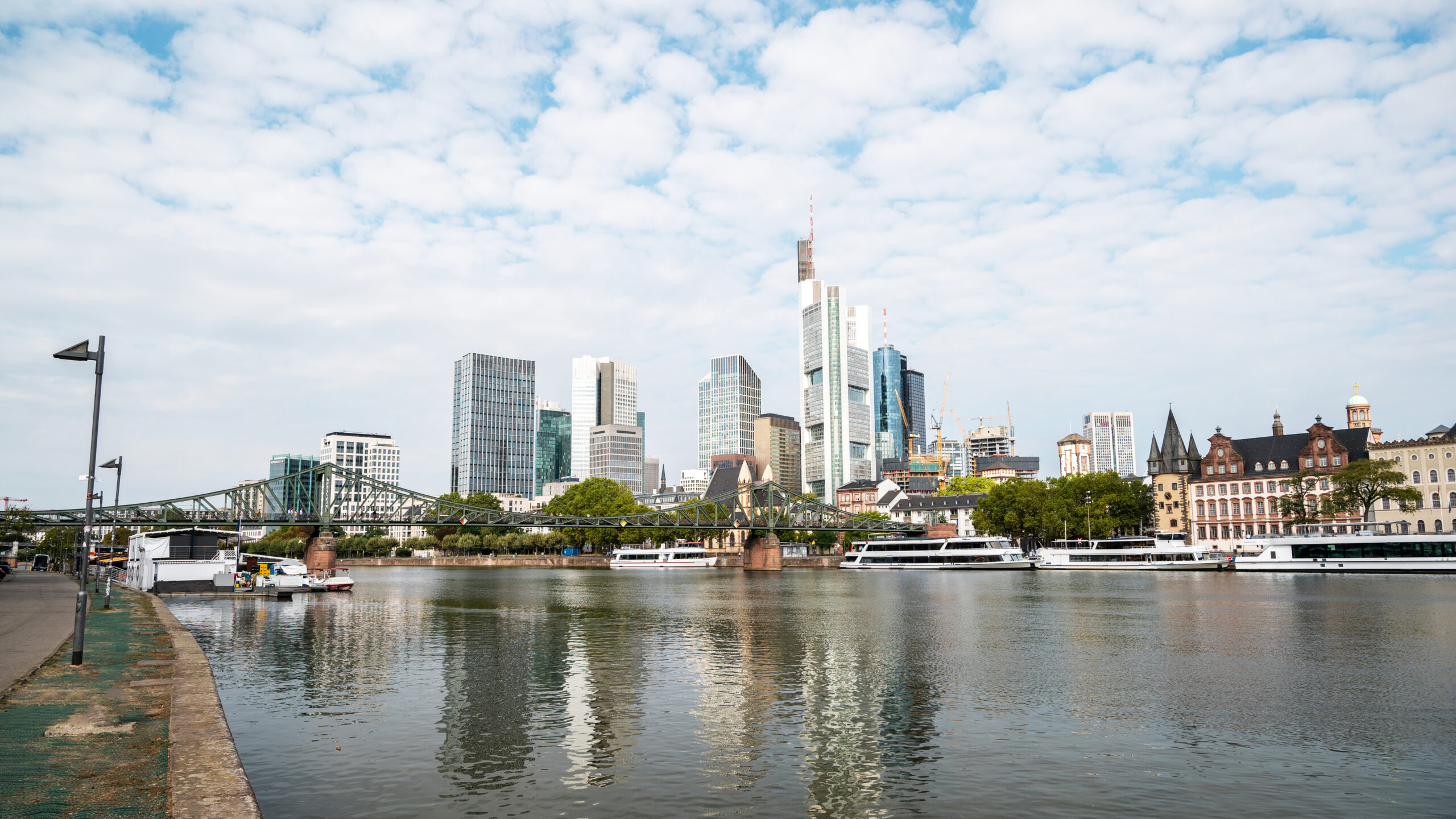
Frankfurt
Modern skyline (Mainhattan), Römerberg old town, Städel Art Museum, and Europe’s largest financial hub.

Munich
Bavarian capital Marienplatz, Englischer Garten, Nymphenburg Palace, Deutsches Museum, and gateway to the Alps and Neuschwanstein Castle.

Cologne
World famous Cologne Cathedral (UNESCO), Roman‑Germanic Museum, Rhine river cruises, and the city’s celebrated Carnival

Neuschwanstein Castle
Inspiration for Disney fairy-tale castles
EES (Entry/Exit System): Launched in October 2025 and now fully operational across all 29 Schengen borders. Non‑EU travellers must provide fingerprints and a facial photo at their first border crossing after rollout – manual passport stamps are being replaced by biometric digital registration. more info
• ETIAS Coming Late 2026: The European Travel Information and Authorisation System (ETIAS) is scheduled to launch in the last quarter of 2026. Once active, visa‑exempt travellers (US, UK, Canada, Australia, etc.) will need online pre‑travel authorisation before entering Germany and other Schengen countries. here
• ETIAS Transition Period: A six‑month transition period is expected after ETIAS launch, during which visa‑exempt travellers may still enter without ETIAS if they meet all other entry conditions. Check official updates before travel.
• Schengen Visa Fee Increase: As of 2026, the standard adult Schengen visa fee has increased to €90 (from previous €80) due to rising border management and technology costs.
• Border Controls Extended: Temporary border checks at all German land borders have been extended until 15 September 2026. Expect possible delays when crossing by road or rail.
Travellers to Germany and the Schengen Area should be aware of several important changes to European border and visa procedures. The Entry/Exit System (EES), launched in October 2025, is being implemented across Schengen external borders, requiring eligible non-EU travellers to provide biometric information, including fingerprints and a facial image, when crossing the border. The system is replacing traditional manual passport stamps with digital entry and exit records.
The European Travel Information and Authorisation System (ETIAS) is scheduled to launch in the last quarter of 2026. Once operational, visa-exempt travellers from countries such as the United States, United Kingdom, Canada, and Australia will generally need to obtain an online travel authorisation before travelling to Germany and other Schengen countries.
A transition period is expected following the launch, so travellers should check the latest official requirements before departure. In addition, the standard adult Schengen visa application fee is now €90, while temporary border controls at Germany’s land borders may cause delays for travellers crossing by road or rail. Staying informed and preparing your documents correctly can help make your journey smoother.
Key 2026 Changes to Germany's Entry Rules
Germany Entry Options at a Glance
Germany Entry Options at a Glance
Citizens of visa-required countries such as India, China, Turkey, and South Africa generally need a Schengen visa for short stays of up to 90 days within any 180-day period. Depending on their travel history and circumstances, eligible frequent travellers with a clean visa record may receive multiple-entry visas with validity of up to five years. Standard visa processing usually takes around 15 calendar days, although this can be extended to up to 45 days in individual cases. Applicants are advised to apply at least three weeks before their intended travel date and preferably 6–8 weeks in advance during peak travel periods. Applications should be submitted through the German embassy or consulate responsible for the applicant’s country of residence, or through an authorised visa application centre such as VFS Global where applicable. Applications may generally be submitted up to six months before the planned journey. Applicants must also provide proof of valid travel medical insurance with minimum coverage of €30,000, covering the required Schengen travel period.
Travellers planning to stay in Germany for more than 90 days generally require a German National Visa (D Visa). This applies to international students, skilled workers, researchers, family reunification applicants, and individuals seeking employment through routes such as the Job Seeker Visa. Long-stay visas are typically issued for an initial period of several months and can provide a pathway to obtaining a residence permit in Germany. Processing times vary depending on the visa category and individual circumstances, with applications often taking several weeks, so applicants are encouraged to apply well in advance. Key national visa categories include the Student Visa for university studies, the EU Blue Card for highly qualified professionals with qualifying employment, the Skilled Worker Visa for individuals with recognised vocational or professional qualifications, the Job Seeker Visa for eligible applicants seeking employment, and the Family Reunification Visa for qualifying spouses and children of residents in Germany. Applications should generally be submitted to the German embassy, consulate, or authorised visa application centre responsible for the applicant's country of residence before travelling to Germany.
Citizens of visa-exempt countries, including the United Kingdom, United States, Canada, Australia, New Zealand, Japan, South Korea, and many other eligible countries, can generally travel to Germany without a visa for short stays. Visa-free travellers are normally permitted to stay for up to 90 days within any 180-day period for purposes such as tourism or business. Once the ETIAS system becomes operational, eligible visa-exempt travellers will be required to obtain an online travel authorisation before travelling to Germany and other Schengen countries. The authorisation is expected to be linked electronically to the traveller’s passport, with an application fee expected to apply. Travellers should also be aware of the Entry/Exit System (EES), under which eligible non-EU travellers may be required to provide biometric information, including fingerprints and a facial image, when entering the Schengen Area. Requirements and implementation dates may change, so travellers should always check the latest official information before departure.
• Who: Citizens from visa‑required countries (India, China, Turkey, South Africa, etc.) for stays up to 90 days within any 180‑day period.
• Validity: Short‑stay, multiple entries possible (up to 5 years for frequent travellers with clean visa history).
• Processing: Standard processing is 15 calendar days, extendable to 45 days in individual cases. Apply at least 3 weeks in advance, or 6–8 weeks during peak season.
• Apply: At the German embassy or consulate responsible for your country of residence, or via authorised visa application centres (e.g., VFS Global). Application can be submitted up to 6 months before planned travel.
• Medical Insurance: Proof of valid travel health insurance with minimum €30,000 coverage is mandatory for all Schengen visa applicants.
• Who: Travellers planning to stay in Germany for more than 90 days – includes students, skilled workers, researchers, family reunification applicants, and those seeking employment (Job Seeker Visa).
• Validity: Long‑stay, usually 6–12 months initially, with pathways to residence permits.
• Processing: 4–12 weeks depending on visa category. Students should apply at least 3 months before their course starts. Work visas (EU Blue Card, Employment Visa) typically process in 6–12 weeks.
• Key National Visa Categories:
- Student Visa (for university studies) – work allowance: 140 full days or 280 half days per year
- EU Blue Card (for highly qualified workers with a job offer)
- Skilled Worker Visa (for vocational qualification holders)
- Job Seeker Visa (for graduates seeking employment – 6 months)
- Family Reunion Visa (for spouses and children of German residents)
• Apply: Submit application at the German mission abroad in your country of residence before travelling.
• Who: Citizens of the UK, US, Canada, Australia, New Zealand, Japan, South Korea, and many other visa‑exempt countries. Full list: •
Validity: 90 days within any 180‑day period for tourism or business.
• ETIAS Requirement (late 2026): Once ETIAS becomes operational, visa‑exempt travellers must obtain online authorisation before boarding any flight, train, or ferry to Germany. Apply online in advance – authorisation linked electronically to your passport. The fee is expected to be €20.
• Entry/Exit System (EES): Visa‑exempt travellers will have fingerprints and photo taken at the border the first time they enter the Schengen area after the system's rollout.
Popular Germany Visa Types
Tourist Schengen Visa (Type C)
90 days max, for sightseeing and holidays.
Business Schengen Visa (Type C)
Same as tourist, for meetings, conferences, trade fairs.
Student Visa (National Type D)
processing 4–8 weeks, work allowance: 140 full days or 280 half days per year.
EU Blue Card
For highly qualified professionals with German job offer and recognised degree. Minimum salary threshold applies
Skilled Worker Visa
For vocational qualification holders with job offer.
Job Seeker Visa
6 months to find employment, no job offer required, processing 4–6 weeks.
Family Reunion Visa
For spouses and children joining German residents.
Freelancer / Self‑Employment Visa
For artists, IT consultants, etc., with viable business plan.
Visitor Visa for Relatives/Friends
Standard Schengen visa plus invitation letter.
Required Documents for Germany Visa. Entry Checklist
- Valid passport (at least 2 blank pages, valid 3 months beyond departure)
- Completed and signed Schengen visa application form (VIDEX online)
- Two recent biometric passport photos (3.5 x 4.5 cm, white background)
- Travel health insurance (minimum €30,000 coverage)
- Round‑trip flight itinerary (reservation, not necessarily paid ticket)
- Proof of accommodation (hotel booking or invitation letter)
- Sufficient funds (bank statements – €45–€50 per day)
- Employment verification (employer letter, payslips)
- Travel itinerary (day‑by‑day plan for multiple Schengen countries)
For more information about the visa requirements and neccessary documents contact us
Germany Visa & Processing Times (2026)
|
Visa Type
|
Processing (standard)
|
|---|---|
|
Schengen Visa (Type C) adult
|
15 calendar days
|
|
Schengen Visa child (6‑12)
|
15 calendar days
|
|
Schengen Visa child (under 6)
|
15 calendar days
|
|
Reduced fee (visa facilitation countries)
|
15 calendar days
|
|
National Visa (Type D) adult
|
4–12 weeks
|
|
National Visa (Type D) minor
|
4–12 weeks
|
|
Student Visa
|
4–8 weeks
|
|
EU Blue Card / Work Visa
|
6–12 weeks
|
|
Job Seeker Visa
|
4–6 weeks
|
|
ETIAS (from late 2026)
|
Minutes to days
|
Start Your Germany Visa Application Today
NextWorldVisas provides professional assistance with Germany Schengen visas, work permits, student visas, document verification, and appointment booking support. Our experienced experts guide you through every step of the visa application process, ensuring that your documents and application are accurate, complete, and properly submitted to help make your visa journey smooth and successful.