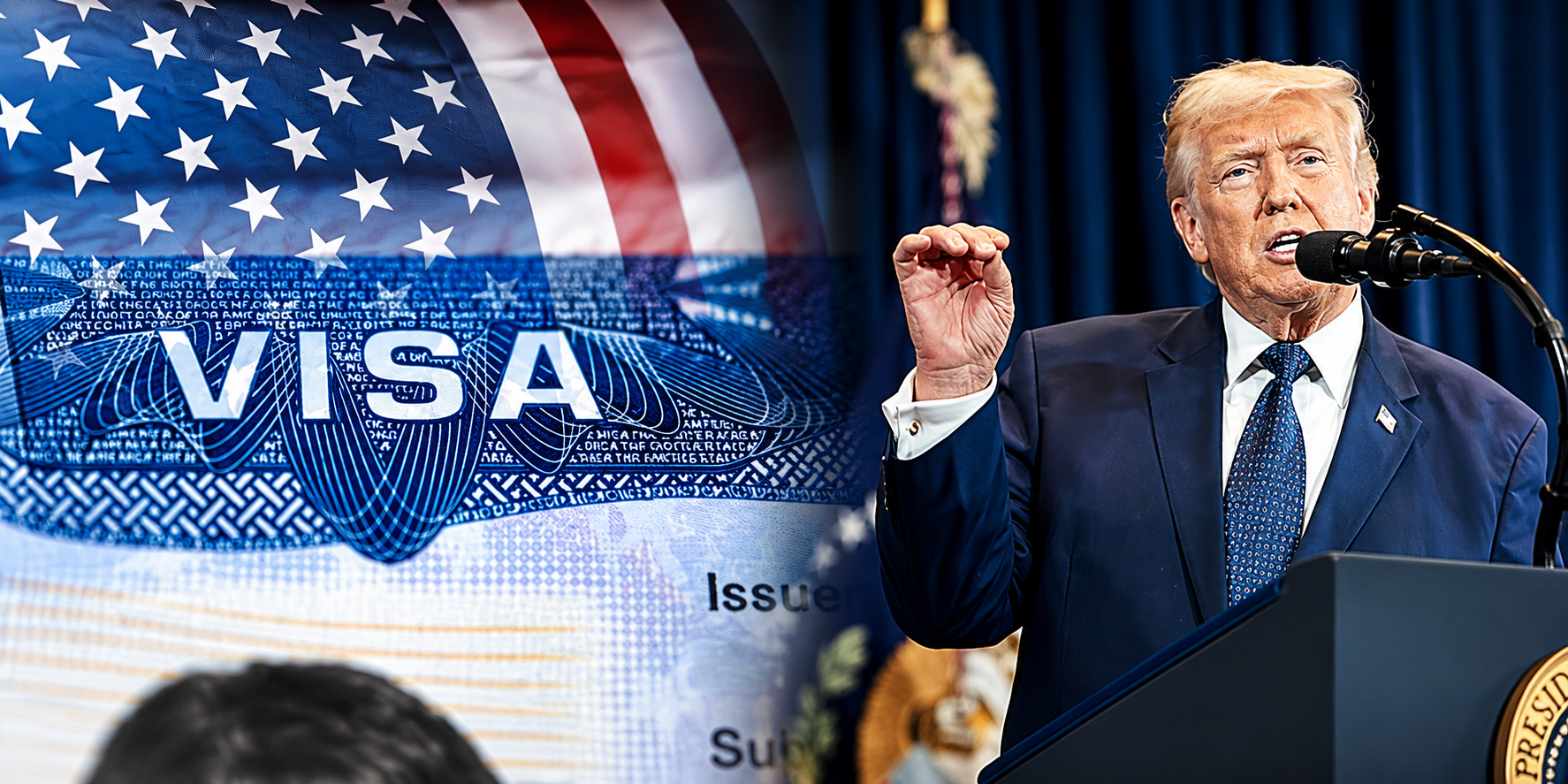
In a sweeping policy shift, the United States is set to drastically reduce the number of embassies and consulates in Africa that can process visa applications. The number will be cut from nearly 50 to just 20 regional hubs in the coming weeks, according to an internal memo obtained by the Associated Press (AP). This major change to US visa Africa 2026 operations means that thousands of applicants will now be forced to travel across borders for their visa interview. For many, the dream of studying, working, or visiting the U.S. is about to become more expensive, complex, and uncertain.
If you’re planning a US visa Africa 2026 application, you need to act now. Here’s your complete guide to the new rules, the remaining visa hubs, and how NextWorld Visas can help you navigate this challenging new landscape.
Why Is This Happening?
The restructuring is a direct outcome of stricter U.S. immigration policies aimed at reducing visa overstays and tightening national security. Under a directive approved by Secretary of State Marco Rubio, the State Department will reduce consular operations across the continent, focusing resources for US visa Africa 2026 on 20 “hubs”.
A State Department spokesperson said the closures reflect a goal of “fiscal responsibility,” noting that operating costs at some African posts outweigh the revenue generated from visa fees.
This move follows other recent measures, including a travel ban on several countries and a requirement for many applicants to post a refundable bond of up to $15,000 for B1/B2 (business/tourist) visas.
The 20 U.S. Visa Africa Hubs Still Operating in Africa
If you do not live in one of these cities or countries, you will be required to travel to the nearest hub to complete your US visa Africa 2026 application process, including your in-person interview.
According to the memo, the 20 hubs that will remain open for all processing are:
West Africa:
- Abidjan, Ivory Coast
- Accra, Ghana
- Lagos, Nigeria
- Dakar, Senegal
- Lome, Togo
- Monrovia, Liberia
- Praia, Cape Verde
East Africa:
- Addis Ababa, Ethiopia
- Dar-Es-Salaam, Tanzania
- Djibouti, Djibouti
- Kampala, Uganda
- Kigali, Rwanda
- Nairobi, Kenya
Southern Africa:
- Cape Town, South Africa
- Johannesburg, South Africa
- Luanda, Angola
- Port Louis, Mauritius
Central Africa:
- Kinshasa, Congo
- Malabo, Equatorial Guinea
- Yaounde, Cameroon
What Happens to the Other 30 Embassies?
Embassies in non-hub countries will remain open, but their services will be severely limited to American citizens only (e.g., passport renewals, emergency services) and the processing of diplomatic visas. Routine visa services for local citizens will cease.
The confirmed list of affected countries includes, but is not limited to: Angola, Benin-Republic, Botswana, Burkina Faso, Burundi, Central African Republic, Chad, Madagascar, Sierra Leone, Malawi, and others.
How Will This Affect You?
The impact of this change on applicants will be severe, creating a series of new hurdles:
This new policy will likely separate families, delay educational and professional opportunities, and place a heavy financial burden on applicants.
What About the $15,000 US Visa Bond?
This new hub system is not the only hurdle. Since January 2026, the U.S. has required many African nationals to post a refundable bond of $5,000, $10,000, or $15,000 when applying for a B1/B2 (business or tourist) visa. This policy aims to mitigate visa overstays.
Many of the countries losing visa services—such as Nigeria, Senegal, Togo, and Uganda—are already subject to this bond requirement. This means applicants from these nations now face both the bond cost and the expense of international travel.
What You Must Do Now
Navigating these changes requires careful planning and expert guidance. Here is your immediate action plan:
1. Identify Your Designated Hub: The first step is to determine which of the 20 remaining hubs you must travel to for your application.
2. Prepare a Bulletproof Application: With backlogs expected to skyrocket, you cannot afford a rejection. Your application must be flawless from the start. Our Visa Consultation Services are designed to ensure your documentation is complete and compelling.
3. Secure Your Interview Slot Immediately: If you have not yet secured an appointment, time is of the essence. The window to apply at your local embassy is closing.
How NextWorld Visas Can Help You
At NextWorld Visas, we are a team of dedicated visa experts committed to helping you achieve your American dream. We specialize in turning complex challenges into clear, actionable plans.
We can help you navigate these new hurdles with:
- Strategic Hub Selection: We analyze your profile to identify the best and most accessible hub for your situation.
- Document Review & Preparation: Our thorough checks minimize errors that cause denials or delays.
- Application Management: We guide you through every form and requirement.
- Interview Coaching: We provide tailored coaching to prepare you for your critical consular interview.
- Appointment Scheduling: We use advanced tools to help you secure an appointment as quickly as possible.
Disclaimer: Visa policies are subject to change without notice. This article is based on information available as of June 2026. For the most current information, please refer to the official U.S. State Department website or contact a qualified immigration professional. The information provided here does not constitute legal advice.
Don’t Let the New Policy Derail Your Plans
The U.S. is not making it easier to get a visa—but with the right strategy, it is still possible.
Let us put our expertise to work for you. Visit our Homepage to learn more, or contact us today to schedule a consultation.
Your journey to the United States starts here.